


















Onboard PIS System for Wuxi Metro Line S1
A redundant onboard Ethernet network carries multimedia and passenger information services.
Project Value
Ensure Stable Onboard Multimedia Transmission
Multicast filtering optimizes video stream transmission, supporting stable operation of onboard LCD dynamic displays and other PIS services.
Enhance Onboard Network Reliability
The SW-Ring redundant architecture reduces the impact of individual link failures on PIS services across the train.

Adapt to Complex Operating Environments
Industrial-grade onboard switches feature M12 interfaces and high-level EMC design, supporting stable operation under traction power, electromagnetic interference, train vibration, and other demanding conditions.

Enable Multi-Service Isolation
VLAN, storm suppression, and other network mechanisms reduce mutual interference among different onboard services.
Case Highlights
Project Background
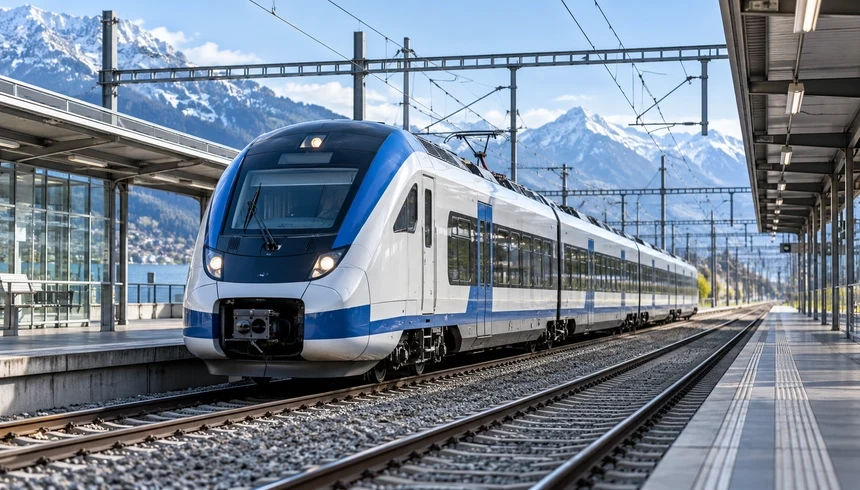
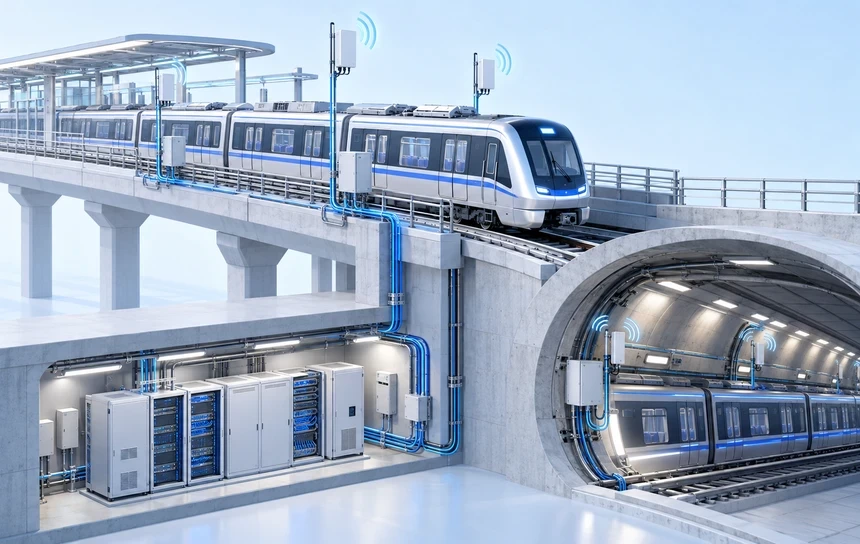
Wuxi Metro Line S1, also known as the Xicheng Section of the Xicheng Intercity Rail Transit Line, connects Wuxi and Jiangyin. The line spans 30.4 km and includes nine stations. It operates six-car Type B trainsets with a maximum operating speed of 100 km/h. The line includes both underground and elevated sections, resulting in significantly different operating environments.
Sanwang Communication participated in the deployment of the onboard Passenger Information System (PIS) for Wuxi Metro Line S1.
Project Requirements
Ensure Onboard Network Reliability: When a link or individual device in a single car malfunctions, the impact on PIS services across the entire train needs to be minimized.
Adapt to Complex Onboard Environments: The underground and elevated sections present different operating conditions, requiring equipment with wide-temperature operation, fanless design, and high EMC performance.
Ensure Stable Multi-Service Transmission: CCTV, public address, dynamic maps, emergency alarms, and other services need to be transmitted reliably over the onboard network.
Implement Network Isolation: VLAN and storm suppression mechanisms are required to prevent abnormal broadcast traffic from affecting other onboard services.
Solution
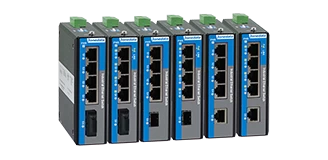
Each train is equipped with six BND-switch-4GT-12T-2P-3U Layer 2 switches, which form a redundant onboard ring network using SW-Ring. The network provides communication channels for CCTV, public address, dynamic maps, emergency alarms, and other PIS services.
The passenger compartment switches are connected to the BND-switch-4GT-11T-L3 Layer 3 switches in the driver's cabs at both the front and rear of the train. These switches are further connected to 1U Layer 3 switches in the driver's cabs and ground-side PIS switches, forming a hierarchical network architecture from passenger compartment access and front/rear aggregation to the ground PIS network.
Multicast filtering and other network mechanisms are used to control onboard PIS video streams, reducing bandwidth consumption caused by irrelevant traffic and improving overall network efficiency.
Recommended Cases
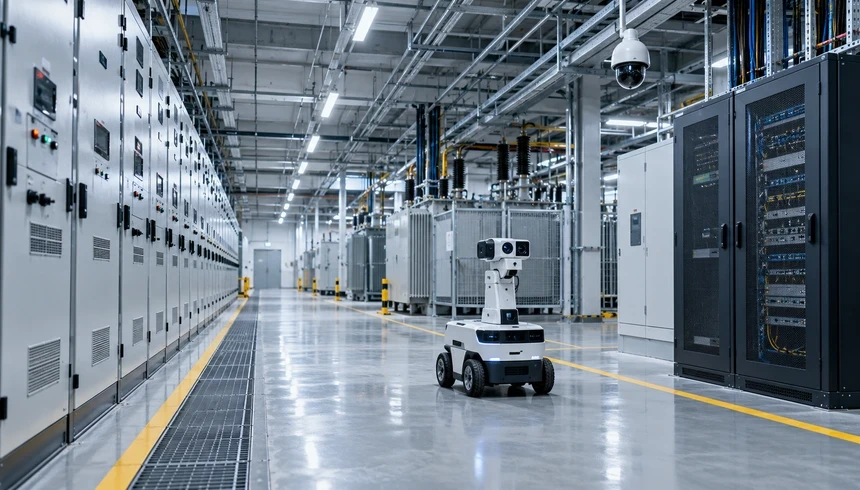
Intelligent Power Supply O&M System for Shanghai Metro Line 12
Industrial networking connects power monitoring, inspection robots and other metro maintenance systems.

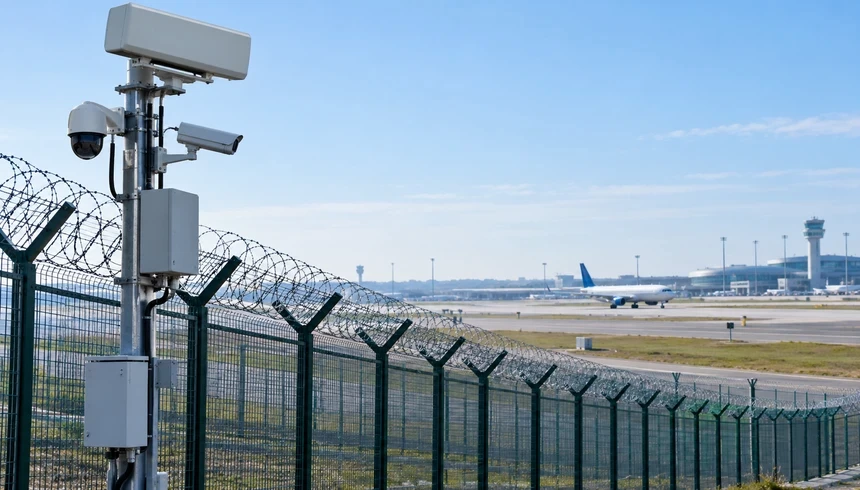
Perimeter Security System for Jining Daan Airport
A redundant industrial network integrates airport perimeter surveillance, alarms and sensor data.
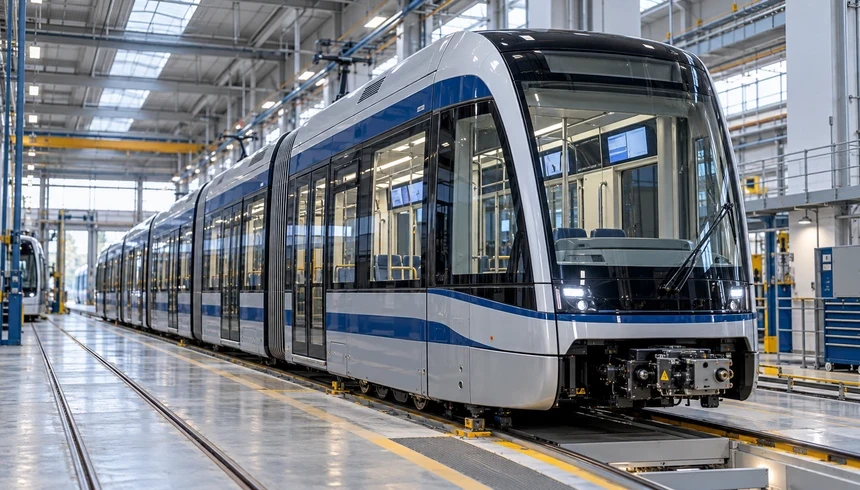
Onboard PIS System for Porto Metro, Portugal
Industrial onboard networking supports passenger multimedia services and flexible train coupling.
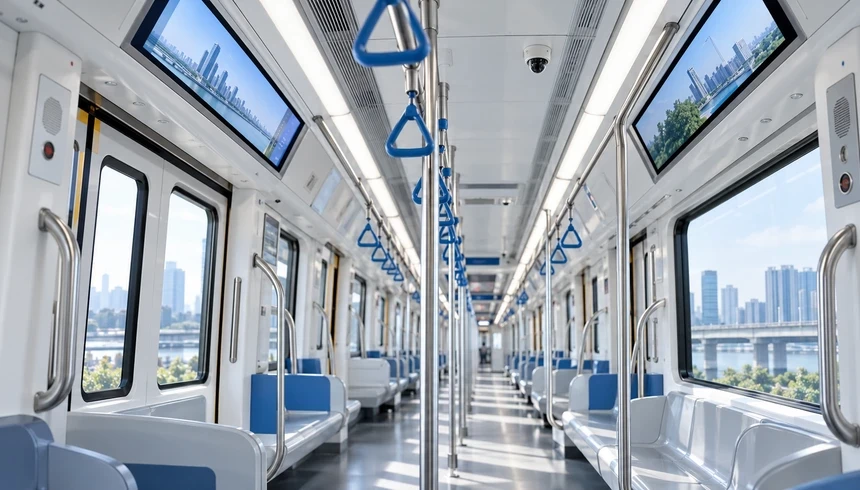
Onboard PIS System for Shenzhen Metro Line 14
An integrated onboard network supports passenger information and fully automated metro operations.
Make an appointment with an expert to receive a free assessment of your industrial network needs