





















Onboard PIS System for Shenzhen Metro Line 14
An integrated onboard network supports passenger information and fully automated metro operations.
Project Value

Support Multi-Service Convergence for Fully Automated Operation
Provides unified transmission for onboard PIS services including dynamic maps, public address, emergency intercom, and CCTV, supporting information exchange in fully automated operating scenarios.
Enhance Onboard Network Redundancy
SW-Ring, hardware bypass, and other redundancy mechanisms improve service continuity in the event of switch or link failures.
Ensure Train-to-Ground Data Transmission
LTE, APs, and other train-to-ground communication technologies support the transmission of vehicle status, control information, multimedia, and other operational data.

Adapt to High-Speed Rail Transit Operations
Provides a stable communication network for onboard PIS applications in train operations at speeds of up to 120 km/h.
Case Highlights
Project Background
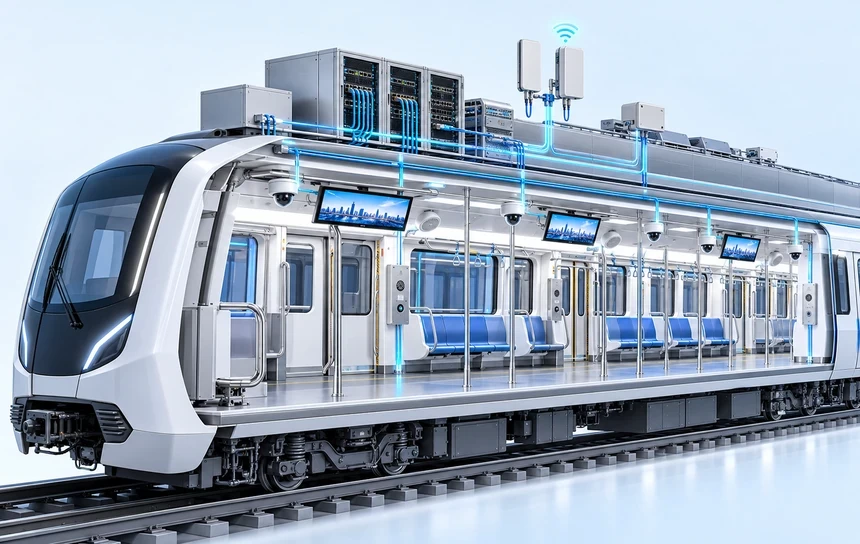
Shenzhen Metro Line 14 spans 50.3 km and comprises 18 stations, serving as an important rail transit route in eastern Shenzhen. The line entered commercial operation in 2022 and adopts GoA4 Grade of Automation (GoA4) fully automated operation, with a maximum operating speed of 120 km/h. Sanwang Communication participated in the deployment of the onboard Passenger Information System (PIS) for Shenzhen Metro Line 14.
Project Requirements
Multi-Service Convergence: The onboard PIS network needs to simultaneously support dynamic maps, public address, passenger emergency intercom, CCTV, and other services.
Support Fully Automated Operation: The network needs to support communications for functions including OCC command delivery, vehicle status reporting, and alarm information transmission.
Reliable Train-to-Ground Communications: Continuous data transmission between trains and ground systems must be maintained during high-speed operation and in underground tunnel environments.
Vehicle-Level Integration: The hardware, networking architecture, and installation space of onboard switches need to meet standardized vehicle integration and system commissioning requirements.
Solution
VRRP redundancy is deployed on the front and rear onboard switches to enhance the reliability of train-to-ground communications.
Onboard Layer 2 switches use a SW-Ring network to provide unified access for services including alarms, alarm video, public address, and dynamic maps. An onboard LTE unit communicates with ground base stations to establish train-to-ground connectivity and transmit relevant information to ground systems.
Onboard Layer 3 switches communicate with ground systems through train-to-ground APs, while NAT is used to enable data translation between critical vehicle control information and the ground network. For onboard LCD live-streaming services, PIM multicast is adopted to transmit video streams from ground systems to onboard displays.
Recommended Cases

Intelligent Power Supply O&M System for Shanghai Metro Line 12
Industrial networking connects power monitoring, inspection robots and other metro maintenance systems.

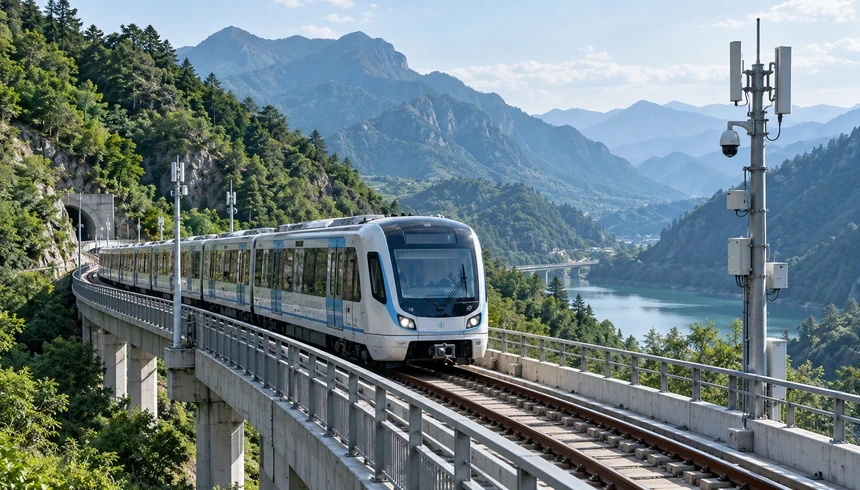
Integrated Monitoring System for Xishui Sightseeing Light Rail
Industrial networking connects onboard and wayside systems for mountainous sightseeing light rail.
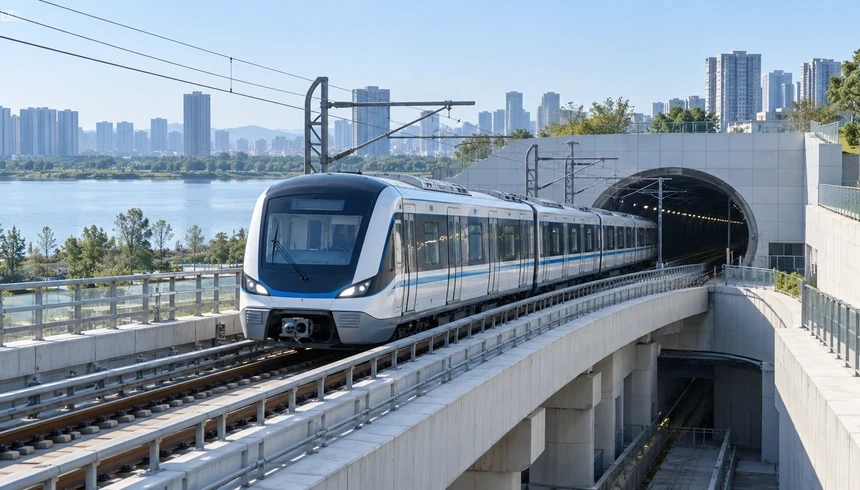
Onboard PIS System for Wuxi Metro Line S1
A redundant onboard Ethernet network carries multimedia and passenger information services.
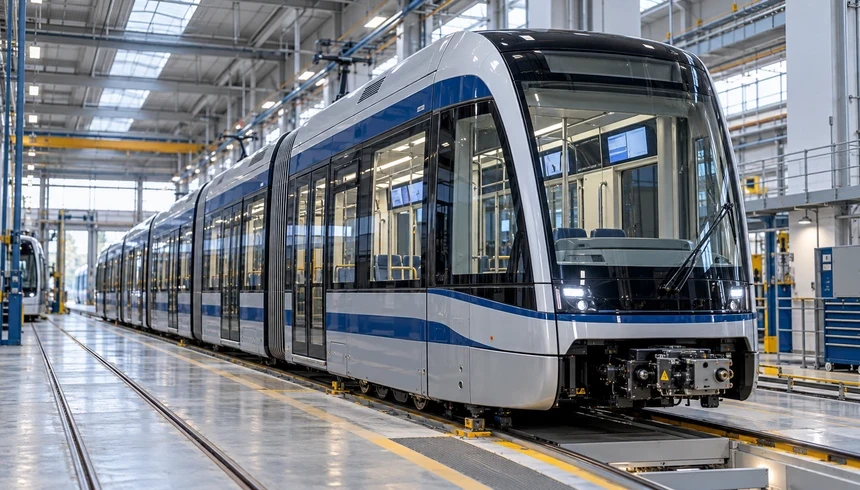
Onboard PIS System for Porto Metro, Portugal
Industrial onboard networking supports passenger multimedia services and flexible train coupling.
Make an appointment with an expert to receive a free assessment of your industrial network needs