


















Integrated Monitoring System for Xishui Sightseeing Light Rail
Industrial networking connects onboard and wayside systems for mountainous sightseeing light rail.
Project Value

Enhance Network Reliability
The industrial Ethernet ring architecture improves link redundancy and enables rapid network recovery in the event of a link failure.

Ensure Continuous Train-to-Ground Communications
Industrial wireless roaming capabilities support continuous transmission of operational data as trains move along the line.

Enable Converged Multi-Service Networking
PIS, monitoring, public address, signaling, intercom, and other services are integrated into a unified network, simplifying network architecture and management.

Balance Reliability and Deployment Cost
The hybrid wired and wireless architecture is tailored to the practical deployment requirements of sightseeing light rail systems.
Case Highlights
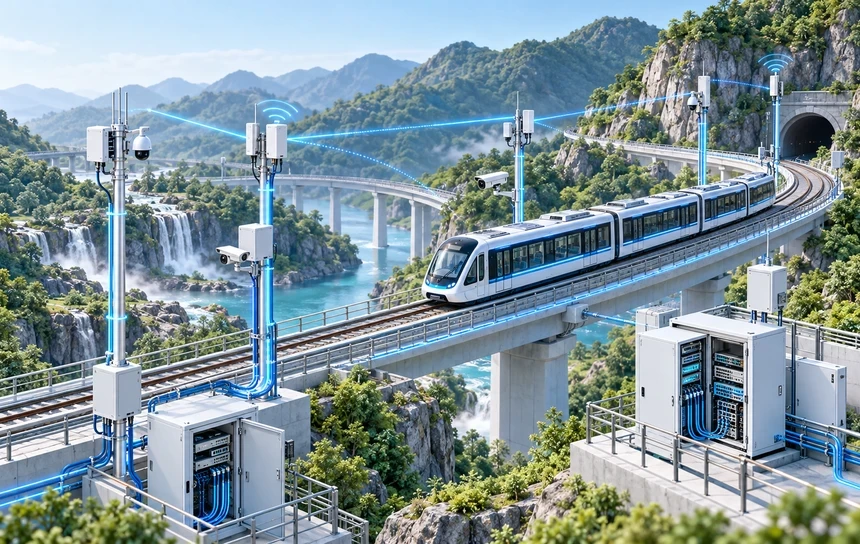
Project Background
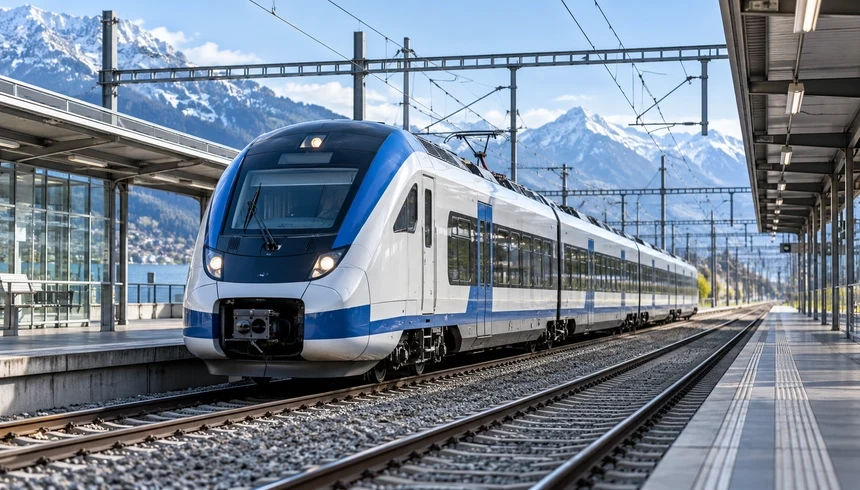
Xiyuan Luhai International Ecological Homeland is located in Xishui County, Zunyi, Guizhou Province. As an auxiliary transportation facility within the scenic area, the sightseeing light rail spans 11.8 km, with five stations along nine scenic corridors. Sanwang Communication participated in the deployment of the integrated monitoring system for the Xishui sightseeing light rail, providing network infrastructure for onboard and wayside multi-service communications.
Project Requirements
Reliable Onboard Data Transmission: Traction power systems and mountainous environments with frequent thunderstorms can result in significant surge, electrostatic, and electromagnetic interference, requiring reliable onboard data transmission.
Unified Multi-Service Transmission: Onboard PIS and wayside systems—including monitoring, public address, signaling, and intercom—need to be connected to a unified network, with data centrally transmitted to the dispatch and control center.
Adaptation to Challenging Environments: The mountainous environment features high humidity and significant temperature variations between day and night, requiring wide-temperature operation, high EMC performance, and long-term stability.
Cost Considerations: Compared with urban metro systems, sightseeing light rail projects typically operate under different construction budgets, requiring a balance between network reliability, equipment selection, and deployment costs.
Solution
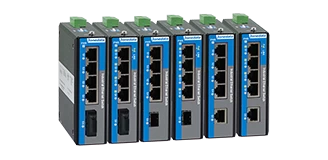
A hybrid wired and wireless networking architecture is adopted to build the industrial communication network using wayside PoE switches, core switches, and other network equipment.
The onboard PIS and wayside monitoring, public address, signaling, intercom, and other systems are connected to a unified network. A ring network provides link redundancy, while an industrial wireless network enables train-to-ground data transmission. All service data is ultimately aggregated at the dispatch and control center for centralized monitoring and management.
Recommended Cases
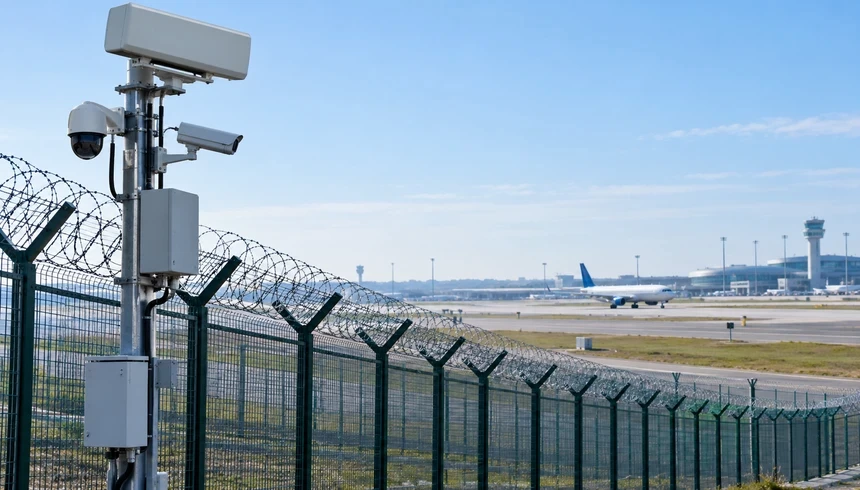
Perimeter Security System for Jining Daan Airport
A redundant industrial network integrates airport perimeter surveillance, alarms and sensor data.

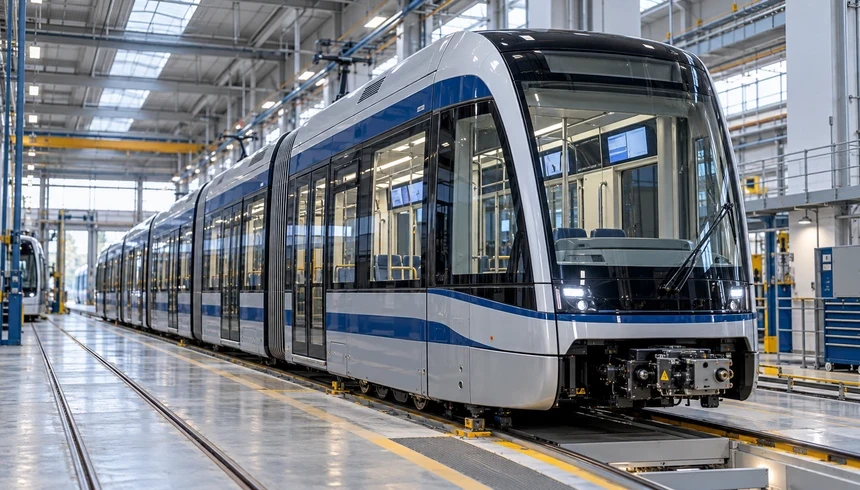
Onboard PIS System for Porto Metro, Portugal
Industrial onboard networking supports passenger multimedia services and flexible train coupling.
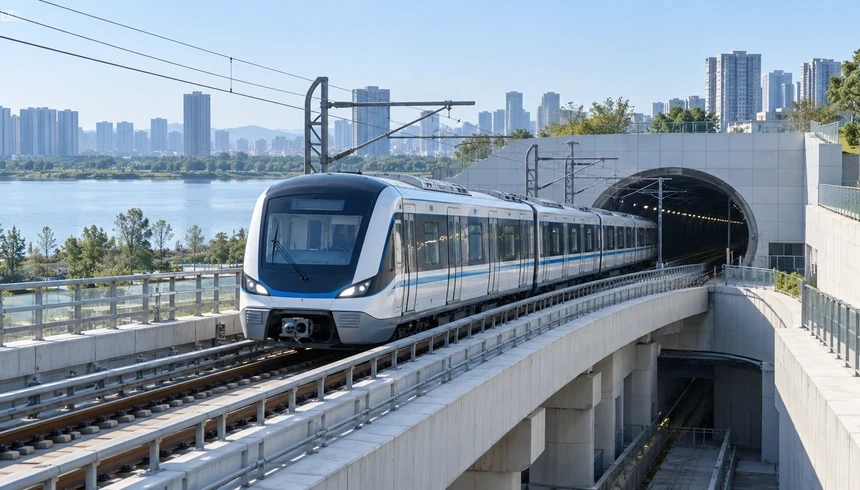
Onboard PIS System for Wuxi Metro Line S1
A redundant onboard Ethernet network carries multimedia and passenger information services.
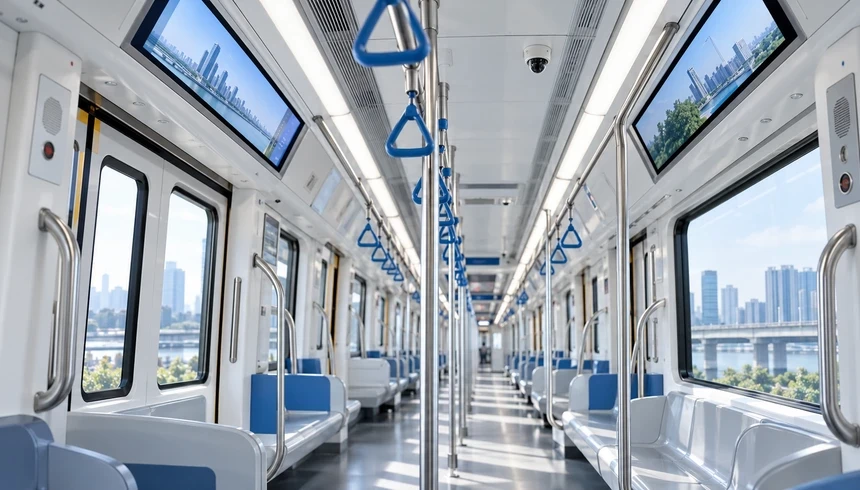
Onboard PIS System for Shenzhen Metro Line 14
An integrated onboard network supports passenger information and fully automated metro operations.
Make an appointment with an expert to receive a free assessment of your industrial network needs