










AFC System for Guiyang Metro Line 3
A reliable AFC network connects fare gates, ticketing terminals and the network clearing center.
Project Value
Build a Highly Reliable AFC Network
VRRP, link aggregation, SW-Ring, and other technologies establish a redundant network architecture, enhancing fare service continuity.
Support Multiple Types of Terminals
Provides unified network access for TVMs, AGMs, intelligent customer service centers, and related service data.
Enable Network-Wide Fare Interconnection
Provides network infrastructure for connecting the Line 3 AFC system to the existing ACC clearing center, supporting cross-line fare data exchange.

Support Smart Station Services
Provides a communication network foundation for emerging AFC applications such as face recognition, voice, and video-assisted services.
Case Highlights
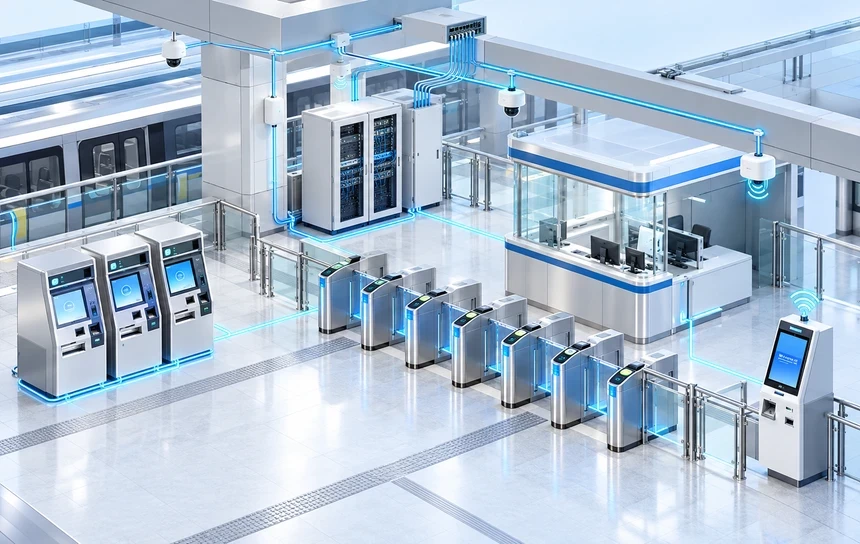
Project Background
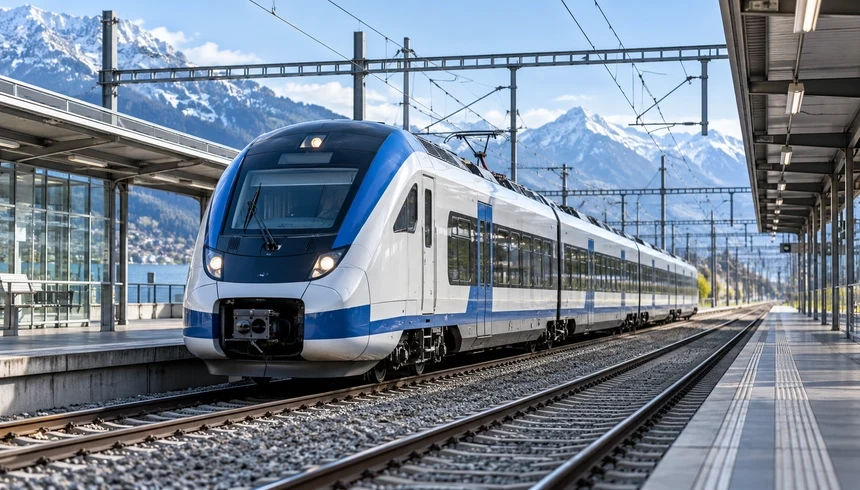
Guiyang Metro Line 3 spans 43.03 km and comprises 29 stations. The line operates six-car Type B trainsets with a maximum operating speed of 100 km/h and entered commercial operation in 2023.
Sanwang Communication participated in the deployment of the AFC system for Phase I of Guiyang Metro Line 3, providing communication network infrastructure for automated fare collection services across the line.
Project Requirements
Ensure Fare Service Continuity: The AFC network needs to carry fare transaction data from ticket vending machines, automatic gates, and other terminals while maintaining a high level of network reliability.
Support Network-Wide Fare System Interconnection: The Line 3 AFC system needs to connect to the existing Automatic Fare Collection Clearing Center (ACC) to enable data exchange with AFC systems on existing lines.
Support Multiple Smart Terminals: The network needs to accommodate TVMs, AGMs, intelligent customer service centers, and other terminals, as well as face recognition, voice, video, and other services.
Integrate Multi-Vendor Equipment: Terminals and systems from different vendors need to be connected and commissioned through a unified network.
Solution
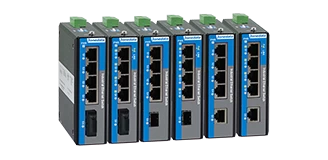
Two ICS5428G-4XGS-8GC Layer 3 switches are deployed at each station. VRRP is used to provide gateway redundancy and reliable Layer 3 network services for station-level AFC terminals.
The two Layer 3 switches use link aggregation to increase bandwidth and redundancy between the devices. They also form an SW-Ring redundant network with IES7120-4GS Layer 2 switches, providing reliable data transmission for station-level terminals.
The station Layer 3 switches connect to the transport network through trunk links. VLANs and VLANIF interfaces are used to establish connectivity with the primary and backup cloud platform edge switches, enabling data exchange between the AFC system and upper-layer platforms.
Recommended Cases
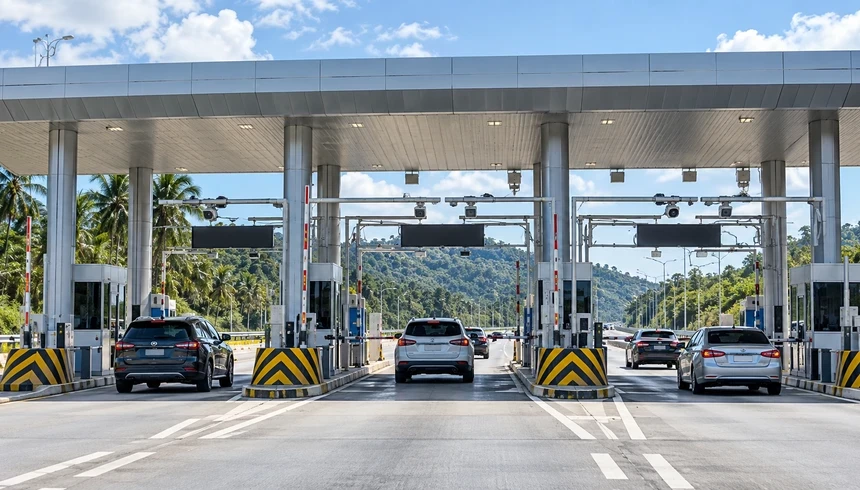
Toll Stations, Malaysia
Industrial connectivity supports electronic payment, traffic sensing and reliable tolling operations.

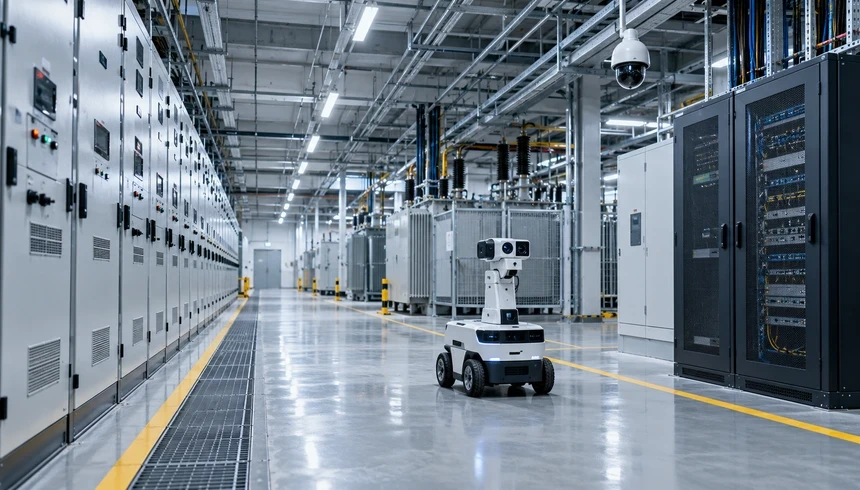
Intelligent Power Supply O&M System for Shanghai Metro Line 12
Industrial networking connects power monitoring, inspection robots and other metro maintenance systems.
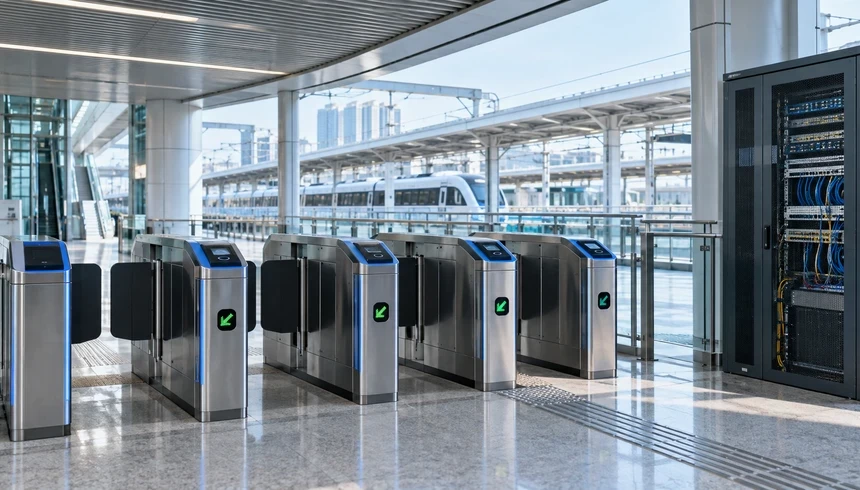
AFC System for Shaoxing Metro Line 1
Industrial Ethernet supports fare services, phased station deployment and cross-city data exchange.
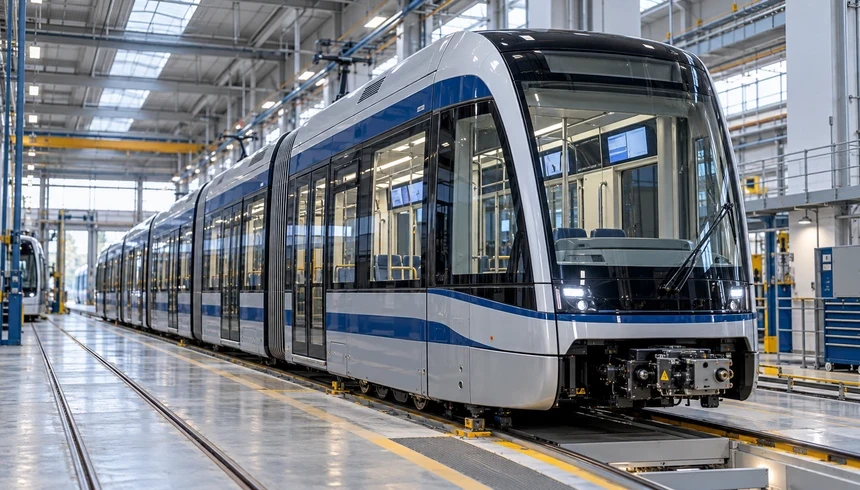
Onboard PIS System for Porto Metro, Portugal
Industrial onboard networking supports passenger multimedia services and flexible train coupling.
Make an appointment with an expert to receive a free assessment of your industrial network needs