











AFC System for Shaoxing Metro Line 1
Industrial Ethernet supports fare services, phased station deployment and cross-city data exchange.
Project Value
Enhance AFC Network Reliability
VRRP, link aggregation, SW-Ring, and other technologies improve network redundancy and reduce the impact of individual link failures on fare services.

Support Phased Deployment
The scalable network architecture enables seamless integration of stations in both the initial operating sections and subsequent main-line sections.

Adapt to Complex Station Environments
Industrial-grade Ethernet switches provide wide-temperature operation, fanless design, and dual power supplies, supporting different underground and elevated station environments.
Support Cross-City Fare Interconnection
Provides network infrastructure for transaction, blacklist, fare rule, and other data exchange between the Shaoxing and Hangzhou clearing systems.
Case Highlights
Project Background
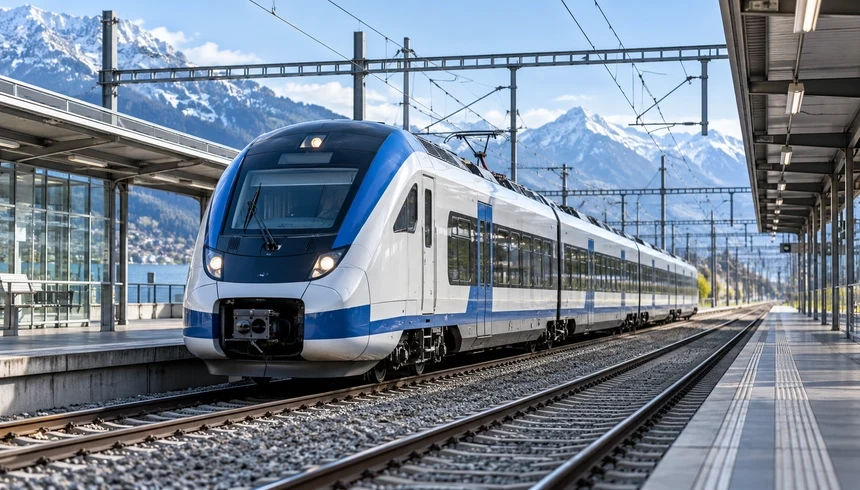
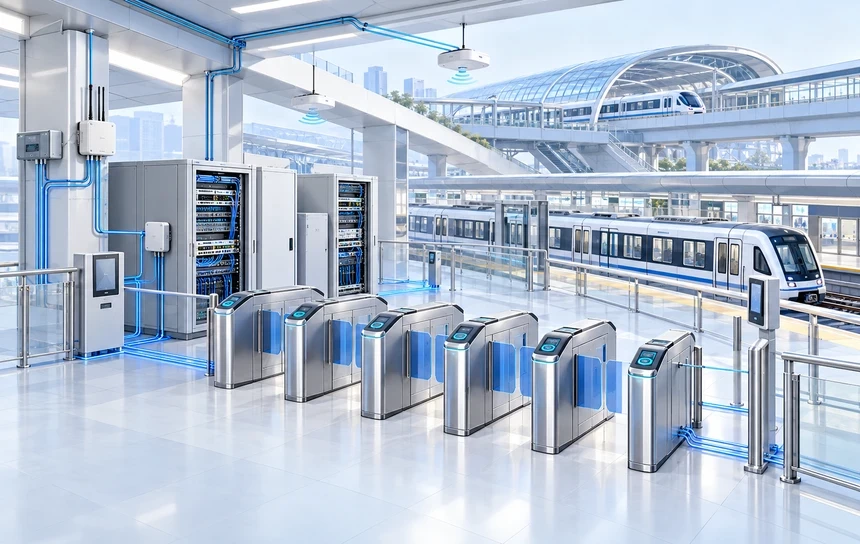
Shaoxing Rail Transit Line 1 spans 51.6 km and comprises 33 stations, including 29 underground stations and four elevated stations. The line operates six-car Type B trainsets with a maximum operating speed of 100 km/h.
Sanwang Communication participated in the deployment of the AFC system for Phase I and the branch line of Shaoxing Metro Line 1.
The project adopts a phased construction approach. The network needs to support AFC operations on the sections entering service first while reserving sufficient scalability for the subsequent integration of stations along the main line.
Project Requirements
Build a Highly Reliable Fare Network: The AFC system requires ring network redundancy to minimize the impact of individual link failures on fare services.
Support Cross-City Fare Data Exchange: The Shaoxing clearing center needs to exchange data with the Hangzhou Metro clearing system to synchronize transaction records, blacklists, fare rules, and other information.
Adapt to Elevated and Underground Environments: Different stations have varying temperature, humidity, electromagnetic interference, lightning, and surge conditions, requiring strong environmental adaptability from industrial communication equipment.
Support Phased Deployment: The network needs to support seamless expansion as additional main-line stations are brought into service, minimizing the impact of subsequent upgrades.
Solution
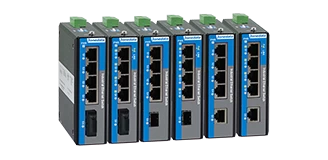
Two ICS5028G Layer 3 switches are deployed at each station. VRRP provides gateway redundancy, while link aggregation improves bandwidth and communication reliability between the primary and backup devices.
The Layer 3 switches and IES7120-4GS Layer 2 switches form an SW-Ring redundant network, providing stable data transmission for AFC terminals.
To accommodate different station conditions and phased deployment requirements, a scalable ring network architecture is adopted, allowing subsequent stations to be gradually integrated into the existing network.
Recommended Cases
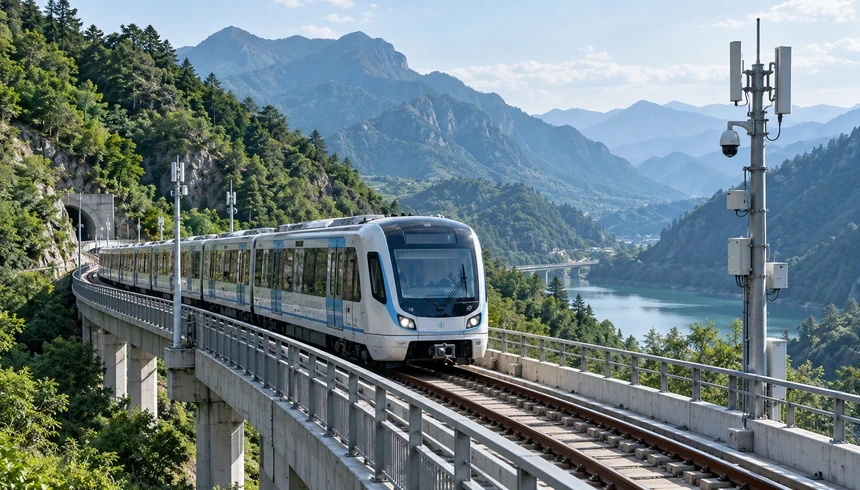
Integrated Monitoring System for Xishui Sightseeing Light Rail
Industrial networking connects onboard and wayside systems for mountainous sightseeing light rail.

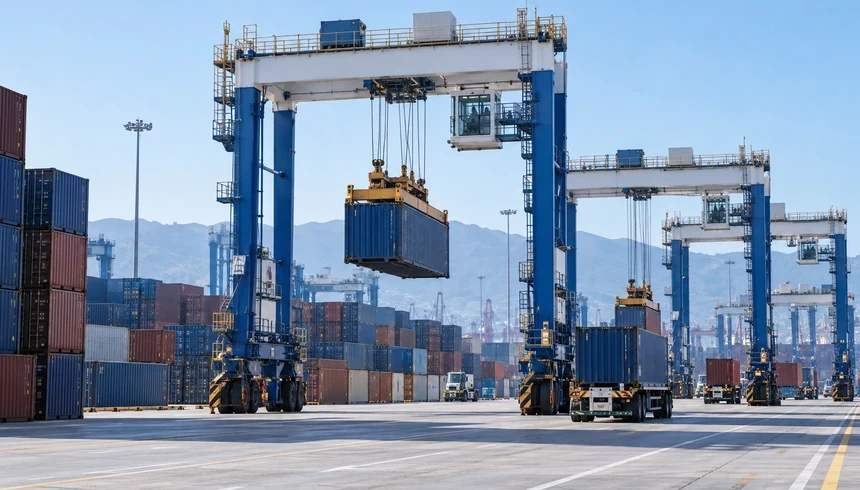
Remote Control of RTG Cranes at Beilun No. 1 Container Terminal, Ningbo-Zhoushan Port
Wired and wireless industrial networks support remote control of container terminal RTG cranes.
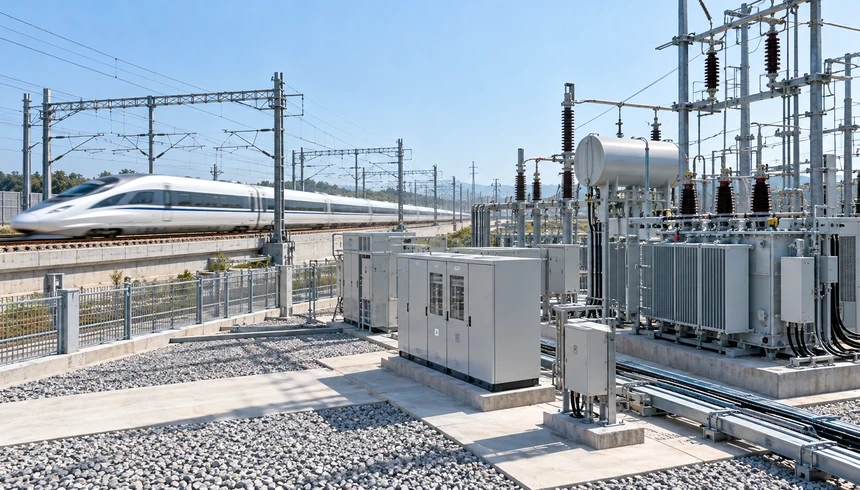
Integrated Automation System for Traction Substations on the Beijing–Shanghai High-Speed Railway
Redundant industrial communication supports protection, control and SCADA across railway traction substations.
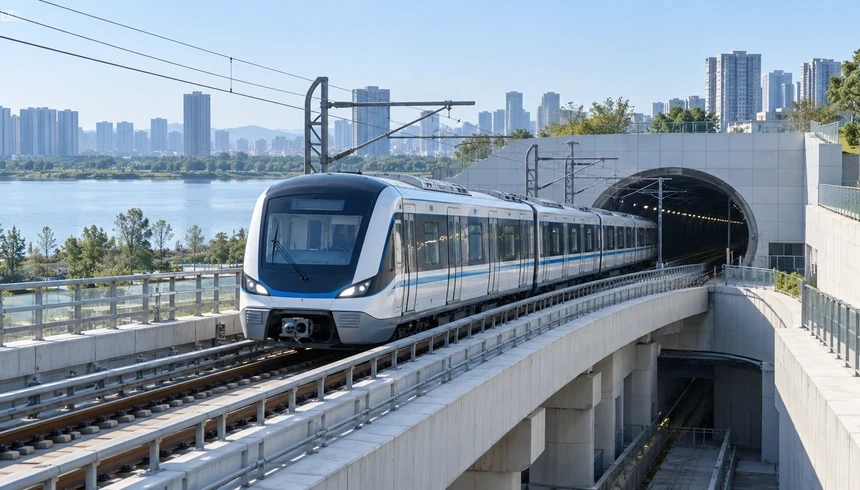
Onboard PIS System for Wuxi Metro Line S1
A redundant onboard Ethernet network carries multimedia and passenger information services.
Make an appointment with an expert to receive a free assessment of your industrial network needs