























Xinjiang Turpan 1,000 MW Solar PV Project
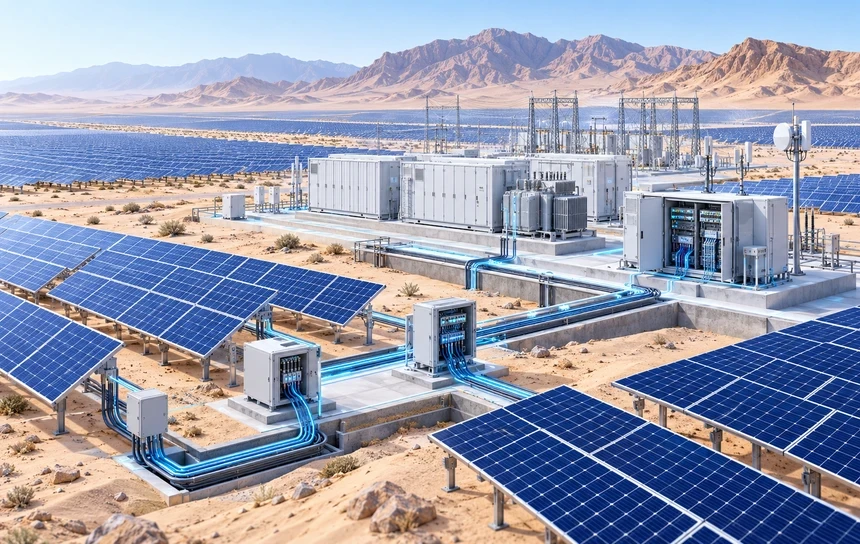
Industrial networking supports distributed photovoltaic equipment across a large desert solar installation.
Project Value

Support for large-scale device connectivity
30 industrial Ethernet rings enable unified access and aggregation of data from distributed box-type substations.

Enhanced network reliability
The industrial Ethernet ring architecture improves network redundancy within each PV array.

Adaptation to harsh desert environments
Industrial-grade switches are designed to meet the requirements of high temperatures, sand and dust, and significant temperature variations.

Centralized data aggregation
Data from multiple distributed PV arrays is aggregated to the equipment room, providing a communication foundation for centralized plant monitoring.

Support for large-scale renewable energy deployment
Provides a reliable networking foundation for large-scale device connectivity and data transmission in a GW-scale solar PV project.
Case Highlights
Project Background
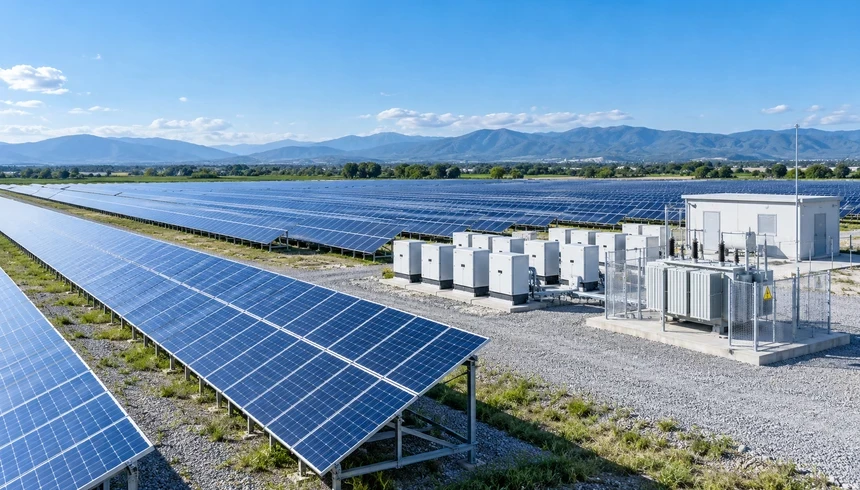
The Xinjiang Turpan 1,000 MW solar PV project is located in Qiketai Town, Shanshan County, Xinjiang, with a total planned capacity of 1 GW, comprising a 100 MW molten-salt tower CSP project and a 900 MW solar PV project. It is a major project supporting the large-scale development of renewable energy in Xinjiang.
The project involves a large number of distributed devices and operates in a Gobi desert environment characterized by high temperatures, intense solar radiation, frequent sand and dust, and significant day-night temperature variations. These conditions place high requirements on the environmental resilience of network equipment, transmission reliability, and large-scale device connectivity.
Project Requirements
Support data acquisition and network transmission for large-scale PV arrays and box-type substations.
Ensure network equipment can operate reliably in high temperatures, sand and dust, and large day-night temperature variations.
Establish a stable and reliable industrial communication network for widely distributed field equipment.
Aggregate field data to the equipment room to provide communication support for centralized plant monitoring.
Solution
The project adopted a SW-Ring industrial Ethernet ring architecture and deployed six PV arrays, each containing eight PV inverter/transformer units.
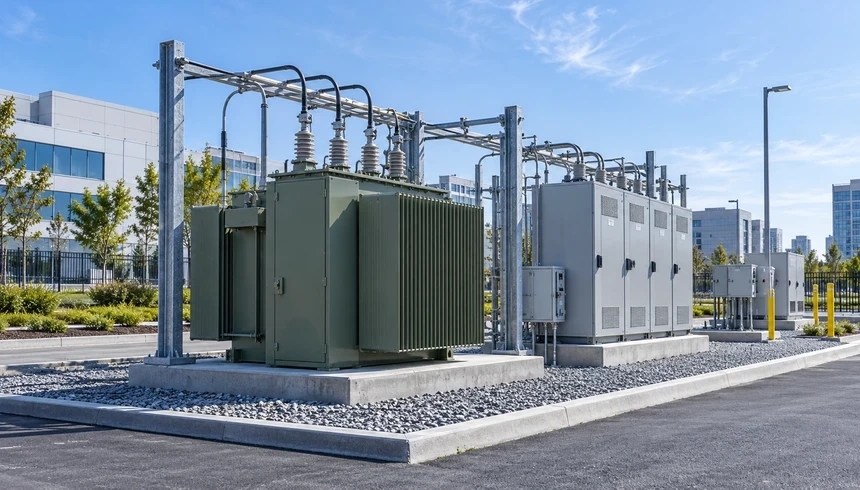
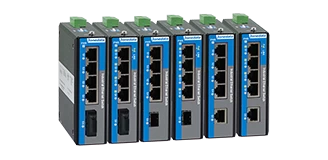
Each box-type substation was equipped with one IES618-2F industrial Ethernet switch from Sanwang Communication. The switches were interconnected via fiber optics to form industrial Ethernet rings, resulting in a total of 30 SW-Ring networks, all connected to aggregation switches in the equipment room.
Field data is aggregated through the industrial network and transmitted to servers in the equipment room. A vertical encryption device is then used for secure data transmission, enabling centralized collection and reliable transmission of data from the solar PV field.
Recommended Cases
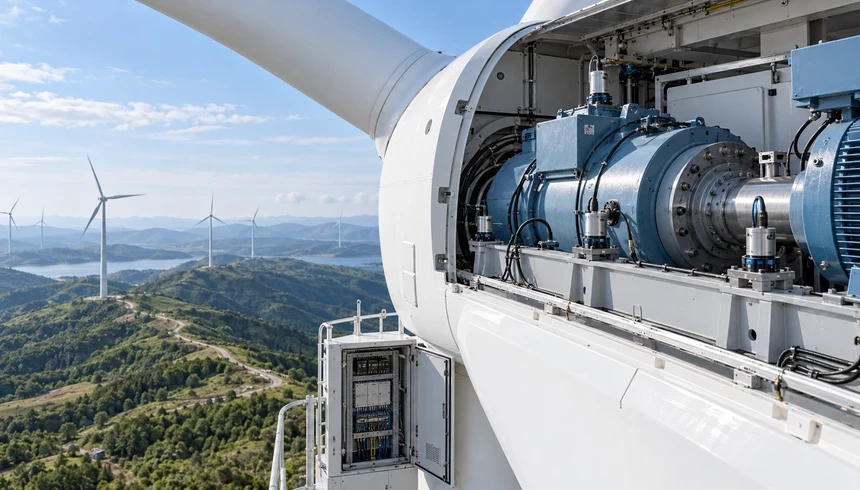
Baiyun Wind Farm Wind Turbine Online Monitoring System
Reliable turbine data links support continuous condition monitoring and early fault detection.

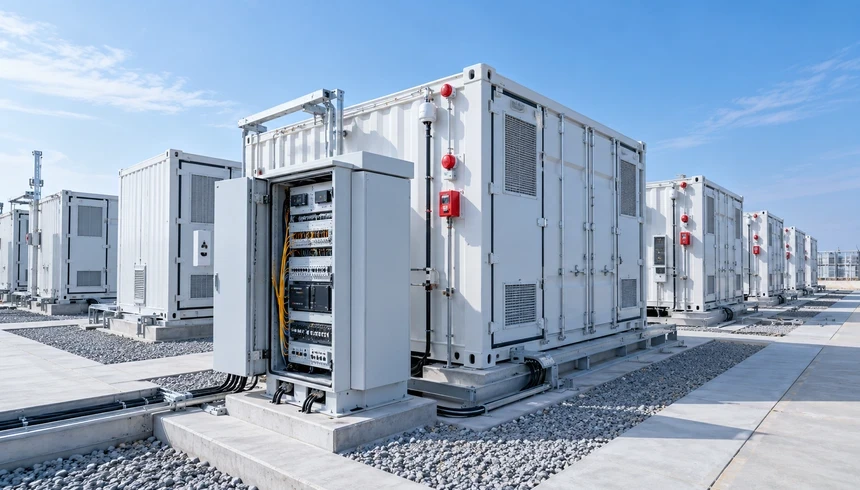
200 MW Energy Storage Fire Protection Project in Dongying
Fiber communication links support reliable fire detection across energy storage containers.
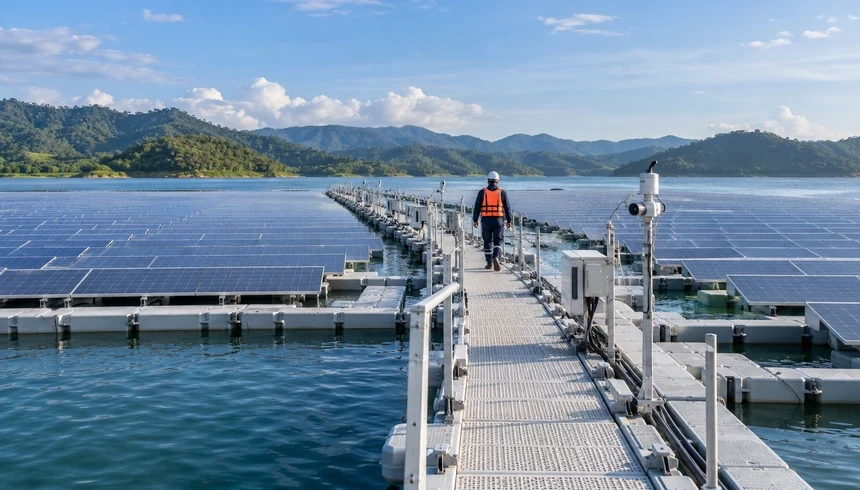
Thailand Floating Solar PV Project
Resilient industrial communication links connect distributed equipment across floating photovoltaic platforms.
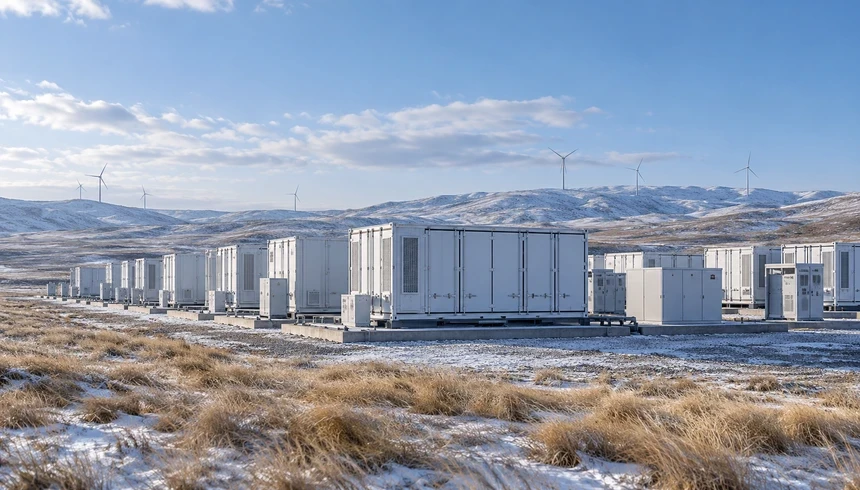
2 GWh Energy Storage Project in Huade County, Inner Mongolia
Segmented industrial Ethernet networks support large-scale energy storage in demanding conditions.
Make an appointment with an expert to receive a free assessment of your industrial network needs